
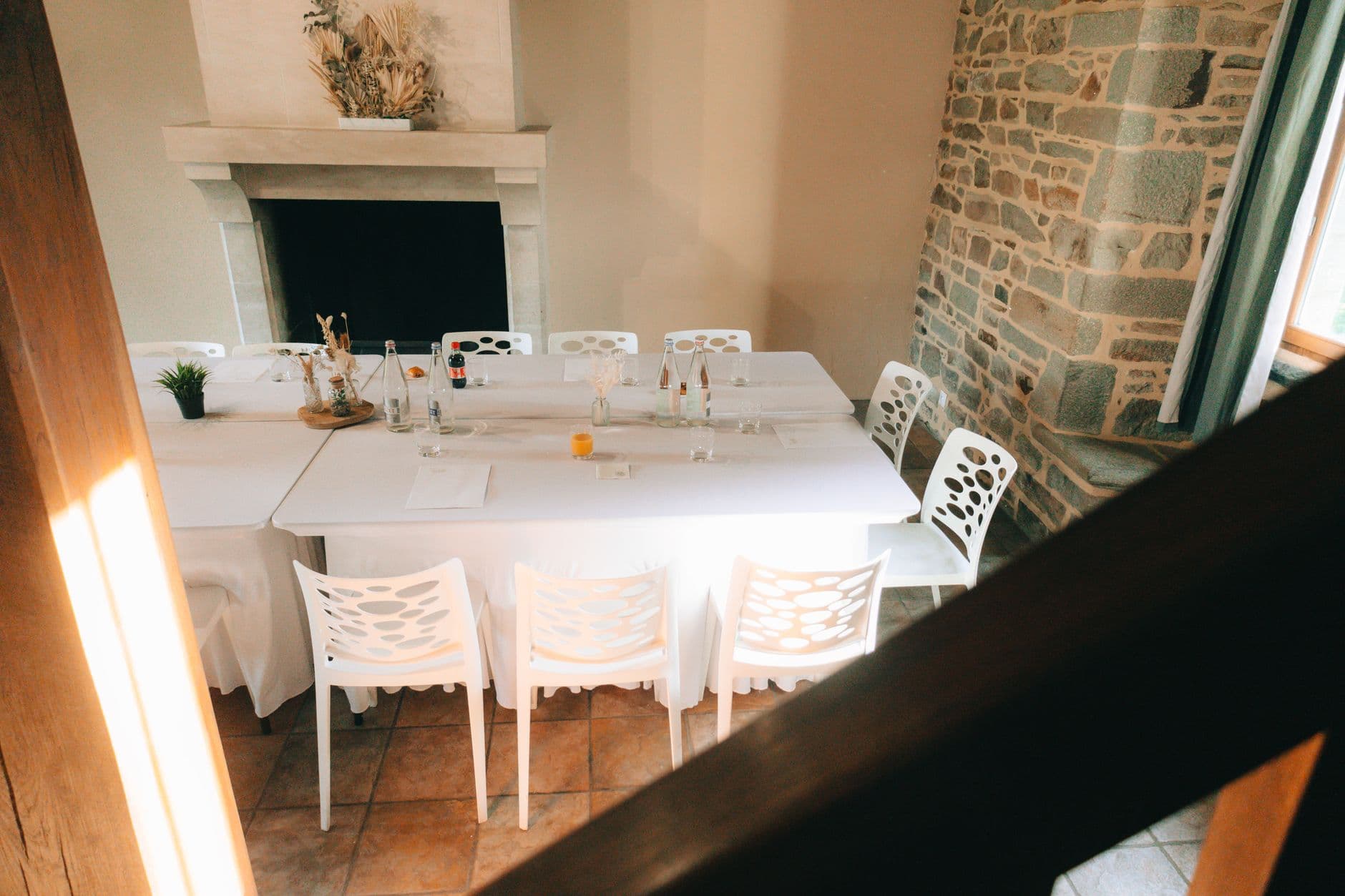

Keeping the Fireplace You Love Fire Season Ready
Plenty of homes across the Westside treat the fireplace as a year round feature, and there is no reason to give that up once the dry months arrive. What changes is how much attention the habit deserves. A relaxed approach to burning that works fine on a damp winter evening needs more deliberate handling once humidity drops and wind picks up, not because the fireplace itself becomes unsafe, but because the conditions surrounding it stop being forgiving of small mistakes.
Here is what that looks like in practice for households throughout Brentwood, Malibu, Pacific Palisades, Santa Monica, Beverly Hills, and West Hollywood as the driest stretch of the year gets closer.
Confirm the Chimney Itself Is Ready First
Before adjusting how you burn, make sure the chimney system underneath is actually in the shape it needs to be. A cap with intact mesh, a crown free of cracking, and a flue clear of heavy creosote form the foundation everything else depends on. Even a carefully tended fire carries more risk inside a chimney with a torn cap or a cracked crown than a modest one does inside a system that was recently checked out and given the all clear. An overdue inspection belongs at the front of this list, not somewhere you get to once the season has already started.
Burning Habits That Cut Down on Sparks
Choose Wood That Has Actually Dried
Well seasoned wood burns hotter and cleaner, throwing fewer sparks and less smoke than wood still holding onto moisture. Green or wet wood does not just burn poorly, the trapped moisture turning to steam inside the log tends to make it pop and throw sparks more actively than dry wood ever would.
Do Not Overload the Firebox
A fire built with too much wood added at once burns less predictably and throws more sparks than a properly sized fire fed gradually with a steady supply of fuel.
Keep a Spark Screen Across the Opening
A mesh spark screen positioned in front of the firebox catches embers that pop out of the fire before they reach the room, a simple layer of protection that costs nothing beyond remembering to use it every time a fire gets lit.

Stay With the Fire the Whole Time It Burns
That rule never changes with the season, though it carries extra weight once things dry out, since a spark that lands somewhere it should not has more to catch onto nearby, indoors and, by way of the chimney, outdoors too.
Handle the Damper With the Season in Mind
Open the damper fully when starting a fire to establish good draft, then keep it adjusted appropriately while the fire is active. Leaving the damper open until every ember is out matters for two reasons, carbon monoxide safety and the fact that a fire smoldering under a mostly closed damper puts off more of the unburned particulate that later turns into creosote further up the flue. Once the fire is fully out and cooled, confirm the damper seals tightly, keeping the flue closed off from outside conditions until the next time it gets used.
Keep the Area Around the Chimney Clear
Defensible space work usually centers on the property perimeter, but the chimney deserves that same attention. Dry leaves and debris settling on the roof near the base, branches reaching close to or over the top, and dry growth pressing up against the chimney's exterior at ground level, each one stacks fuel in the one spot where a stray ember, home grown or wind carried, does the most harm.
Pay Attention to Conditions, Not Just the Date on the Calendar
Think of fire season less as dates on a calendar and more as a combination, low humidity, dry brush, and wind strong enough to matter, especially once Santa Ana conditions start pushing through the canyons above Malibu and Pacific Palisades and across hillside stretches of Brentwood and Beverly Hills. When a day lines up that way, it is worth questioning whether a wood fire belongs in the plan at all, no matter how recently the chimney was checked. A gas fireplace removes the question entirely, since it was never producing sparks or embers to begin with.
Manage Ash the Right Way After Every Fire
Ash can hold enough heat to reignite long after a fire looks completely out. Let it cool fully before removal, store it in a metal container kept away from anything combustible, and never empty warm ash straight into an outdoor trash bin or anywhere near dry brush. It sounds like a small habit, yet it is one of the more frequent causes of an outdoor fire that traces back to careless ash disposal rather than anything wrong with the chimney system.
Properties With More Than One Fireplace
Larger homes throughout Brentwood and Beverly Hills often have more than one fireplace, and fire season readiness deserves to apply to every one of them, not only the one the household uses most. A formal fireplace that only gets lit on holidays but carries a neglected cap opens the same door for an ember as the fireplace burning every weekend.
Know When Skipping the Fire Is the Right Call
There are days, the driest and windiest ones, especially under an active wind warning, when the safest move is skipping the wood fire altogether no matter how well the chimney system checks out. Think of it as a call made fresh each time based on that day's conditions, not a rule that applies to the whole season.
Get the Rest of the Household Aligned
A lot of fireplace habits break down not because one person forgets, but because everyone assumes someone else is handling it. If a partner, roommates, or older kids also light the fireplace sometimes, it is worth walking through the basics together once, where the spark screen actually lives, what the damper should sound like once it has sealed shut, and what happens to the ash the next morning. A habit that lives with only one person in the house is a habit that quietly disappears on exactly the evening it would have counted.
Turning This Into a Habit Instead of a List
None of these steps are difficult on their own, and stacked together they form a routine rather than a chore, get the chimney checked before the dry months arrive, keep dry hardwood on hand behind a working spark screen, deal with cooled ash the right way every single time, keep the roofline and the ground around the chimney clear, and be willing to skip a fire altogether on the handful of days each year when the wind makes that the smarter call. Nobody has to give up their fireplace to follow this, it just calls for a little more attention once summer humidity disappears.
Professional Support Before the Driest Months Arrive
Getting the whole system looked at before the dry season starts, cap, crown, flue, and damper together, along with a sweep if the flue needs one, is the most useful single step available to you. Our CSIA-certified technicians handle that full evaluation and walk you through exactly where things stand once it is done.
Call Bayside Chimney Contractors at (424) 266-4588 to get your fire season readiness visit scheduled. It is what homeowners across Brentwood, Malibu, Pacific Palisades, Santa Monica, Beverly Hills, and West Hollywood use to settle the question ahead of the wind, so a fire on a cool evening stays exactly that simple.
Need Professional Chimney Service?
Our CSIA-certified technicians are ready to help with all your chimney and fireplace needs. Contact Bayside Chimney Contractors today for expert service throughout the Westside / Malibu Coast service area.


